

POP – Persistent organic Pollutants
Environmental and health protection against persistent pollutants
POP – (Persistent Organic Pollutants)
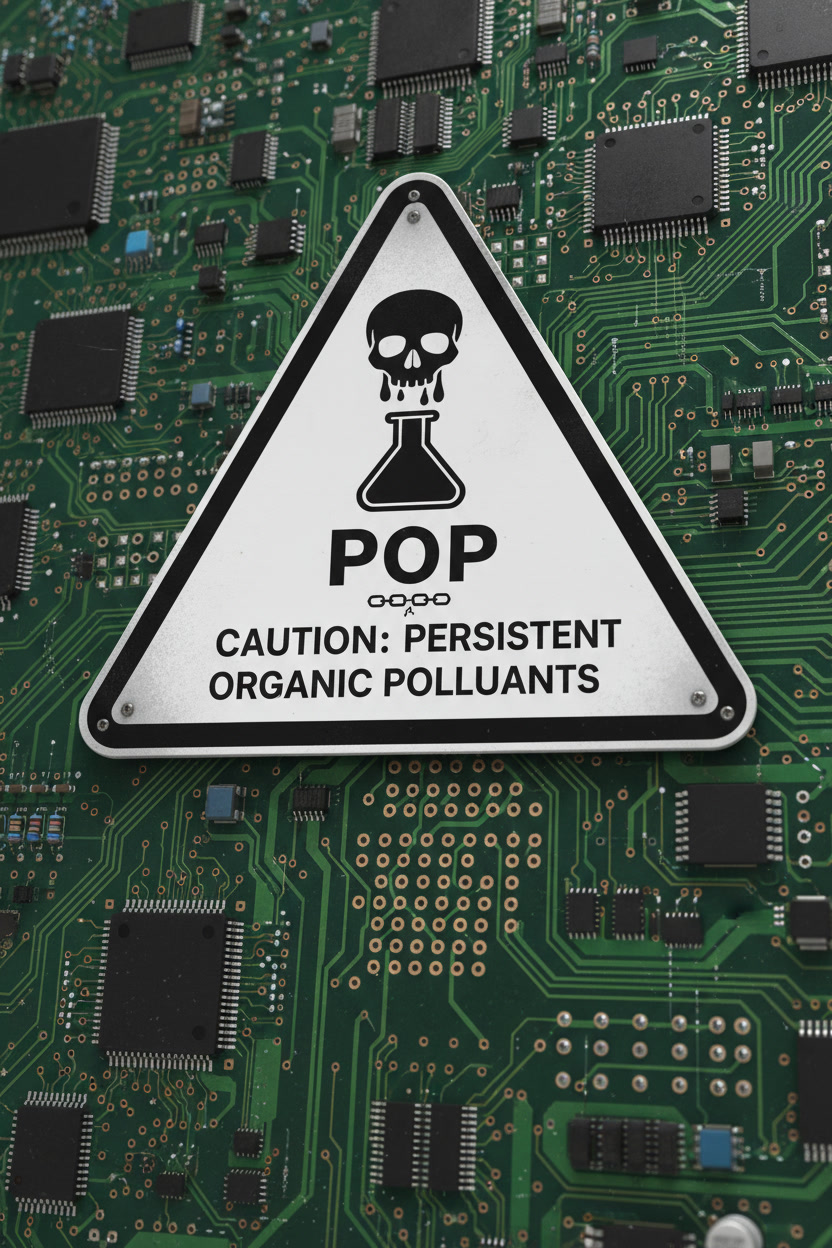
Persistent organic pollutants (POPs) are chemical substances that are characterised by their particularly high longevity, toxicity and accumulation in the environment and organisms.
Once released, they remain in the soil, water and food chain for decades and pose a significant risk to humans and the environment.
The POP Regulation (EU) 2019/1021 transposes the international Stockholm Convention on the global protection of the environment and health from POPs into European law.
Its aim is to ban or strictly restrict these particularly hazardous substances throughout the EU – from manufacture and use to disposal.
As a responsible EMS company, we see compliance with this regulation not only as a legal obligation, but also as an active contribution to protecting health, the environment and future generations.
We therefore check all components for POP compliance and consult with our customers if a supplied part or a component with manufacturer binding does not appear to comply with POP regulations based on our test results.
Together, we find an alternative that meets the requirements for modern environmental and personal protection.
The POP Regulation pursues clear and consistent objectives:
- Ban on particularly hazardous substances
POPs should no longer be manufactured, used or placed on the market.
- Protection of humans and the environment
Avoiding persistent pollutants reduces health risks, environmental pollution and long-term damage.
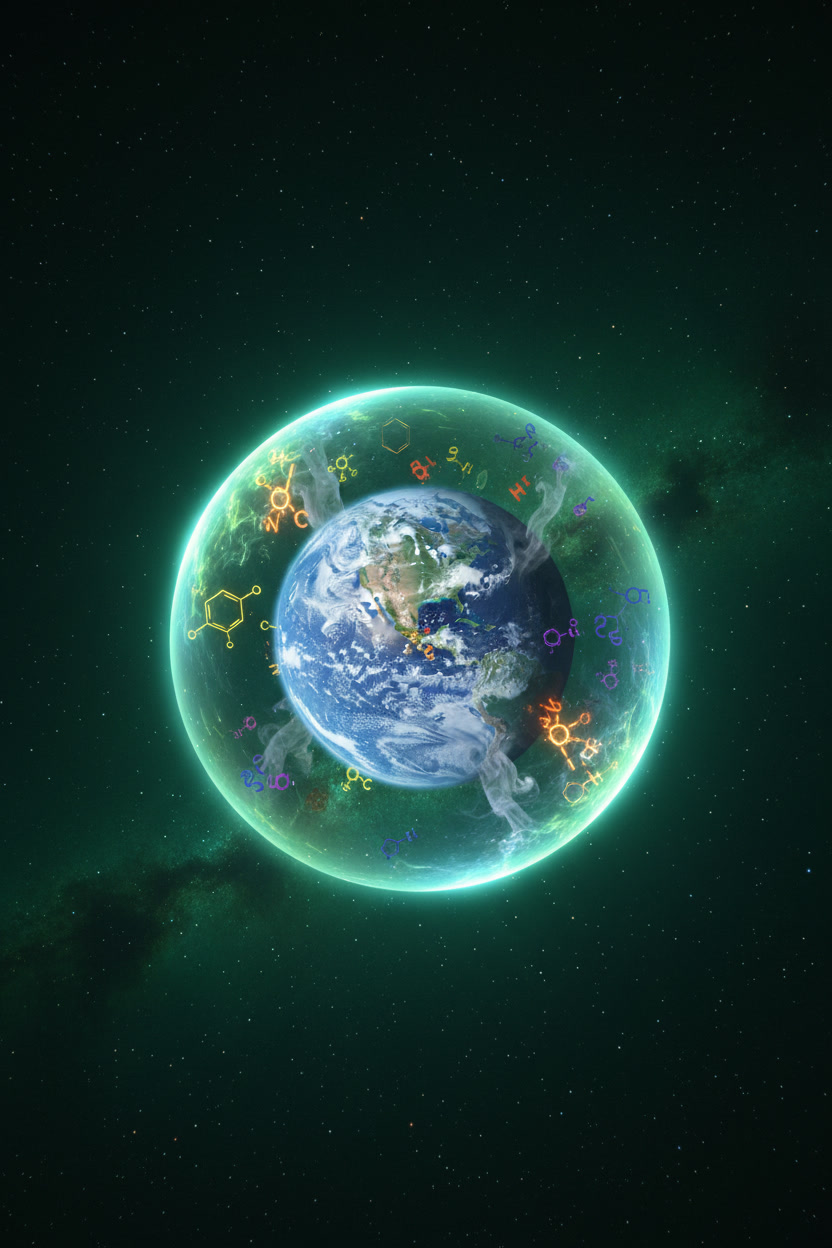
- Interruption of global pollutant cycles
POPs can be transported worldwide via air, water and goods. The regulation specifically counteracts this effect.
- Safe supply chains and products
Companies are obliged to carefully check their materials and supply chains and to rule out risks at an early stage.
For us as an EMS service provider, this means:
Careful material selection, transparent supply chains and clear delineation of responsibilities are essential for reliably avoiding POP risks.
Examples of POPs that are now banned in the EMS environment
In the electronics and EMS industry, POP substances were previously found in plastics, flame retardants and special applications in particular. Today, these substances are no longer permitted:
- Decabromodiphenyl ether (DecaBDE)
- Pentabromodiphenyl ether (PentaBDE)
- Octabromodiphenyl ether (OctaBDE)
- Hexabromocyclododecane (HBCDD)
- Perfluorooctane sulfonic acid (PFOS) and its salts
- Perfluorooctanoic acid (PFOA) and related compounds
- Perfluorohexane sulfonic acid (PFHxS)
- Short-chain chlorinated paraffins (SCCP)
These substances may no longer be contained in products or components placed on the market in the EU.
However, if you still have old stock, it is advisable to check it for POP content. Even if the components were manufactured before the POP Regulation came into force, they may no longer be placed on the market today.


Find out more!?
If you have any questions about our sustainability measures or the processes behind them, please do not hesitate to contact us!
Request your customized offer now!
Non-binding and fast
Contact us
We are looking forward to your visit and to your inquiry!
Contact us
We are looking forward to your visit and your inquiry!